Strategy
What Is UGC for Hotels? A Plain-English Guide
What is UGC for hotels, how it differs from influencer posts, and how independent hotels and villas can commission it for social, websites and paid ads.
By TamaraUpdated 10 min read
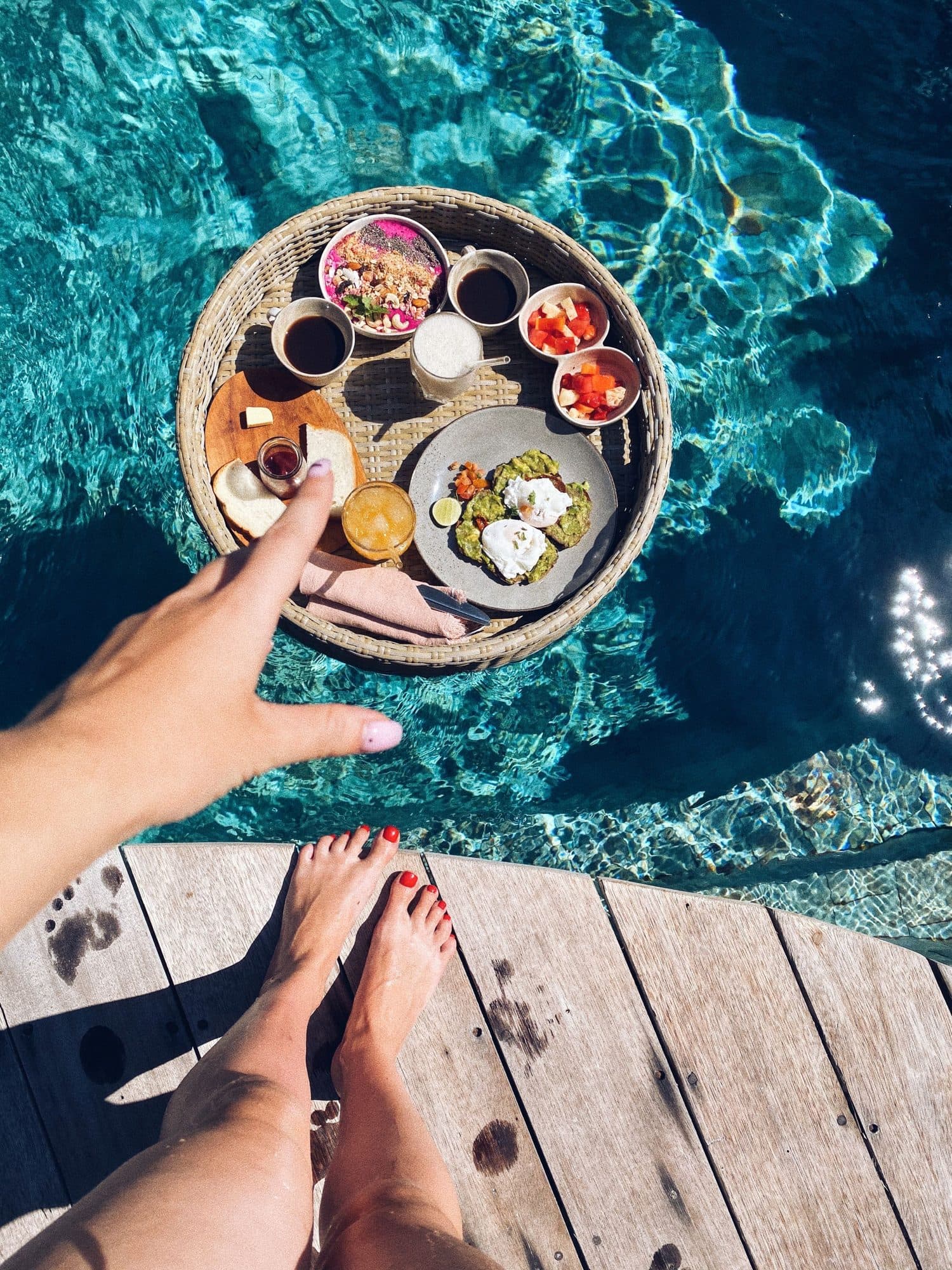
UGC for hotels means content that looks and feels like it was made by a guest rather than a brand: a phone-height view of the room reveal, a real person's first swim, breakfast filmed the way you would film it for friends. If you are asking what is UGC for hotels in practice, it is the shift from "here is our property" to "here is what a stay feels like", in a format people trust enough to book from.
What does UGC mean?
UGC stands for user-generated content. In its purest form it is anything a customer creates about you without being paid: a guest's Reel, a tagged story, a review with a photo.
In hospitality marketing the word has stretched. Today it also covers content made in the style of a guest, usually by a creator you commission. Same look, same honesty, but planned, briefed and licensed so you can use it where you want.
That second meaning is what most hotel marketers actually need, so we will use both in this guide and keep them clearly apart.
What is UGC for hotels, in two flavours?
Organic guest content
This is what real guests post. It is free, credible and unpredictable. You cannot schedule it, you cannot guarantee the framing, and you cannot reuse it without asking first. It is brilliant when it happens and a poor foundation for a content plan.
Commissioned UGC
This is made by a creator or a small studio, briefed to feel like a guest's point of view. You agree the deliverables, the shoot day and the licence. You get consistency and permission. You give up a little of the pure, unplanned magic, which is why good commissioned UGC leaves room for unscripted moments.
Most properties that do this well run both: a commissioned library for planning and ads, plus a habit of resharing real guests (with permission) to keep the feed human.
How is UGC different from influencer marketing?
The confusion is understandable, because the same person can do both jobs. The difference is what you are buying.
| Influencer collaboration | Commissioned UGC | |
|---|---|---|
| What you buy | Their audience and their voice | The content itself |
| Where it mainly lives | Their account | Your accounts, website, ads |
| What matters most | Fit with their followers | Quality, honesty, usable formats |
| Typical licence question | Do they post, and when? | Where can you use it, and for how long? |
| Good for | Awareness in a specific community | Trust-building and conversion content |
Neither is better. A boutique hotel with a tight budget often gets more from commissioned UGC, because the output keeps working in ads and on booking pages long after a single post has scrolled away. If you want to understand how those deals are structured, our guide to content exchange collaborations covers the mechanics.
Why does UGC work for hotels?
Most guests decide on a phone screen, and most of them are trying to answer one question: what will it actually be like? Polished brand imagery answers "what does it look like", which is a different question.
UGC-style content answers the first one:
- Scale and light. A person standing in the room shows you how big it is and how the morning light falls.
- Pace. A slow walk from reception to the pool tells a guest whether this is a place to unwind or a place with a scene.
- Small proofs. Someone reaching for the coffee, a towel folded on a lounger, the sound of the water. These are things a brochure skips.
We are not claiming it beats every other format. We are saying it does a job that stock-looking imagery cannot do: it lowers the guest's doubt.
What does hotel UGC look like in practice?
Here are examples set in the kind of places we work with, not real clients.
A twelve-room boutique hotel in Canggu. The brief asks for the arrival sequence: scooter pulls in, gate opens, a welcome drink, the walk to the room, the first look at the bed and balcony. Shot handheld, vertical, with natural sound. It lives on Reels, on the booking page and as a paid-ad opener.
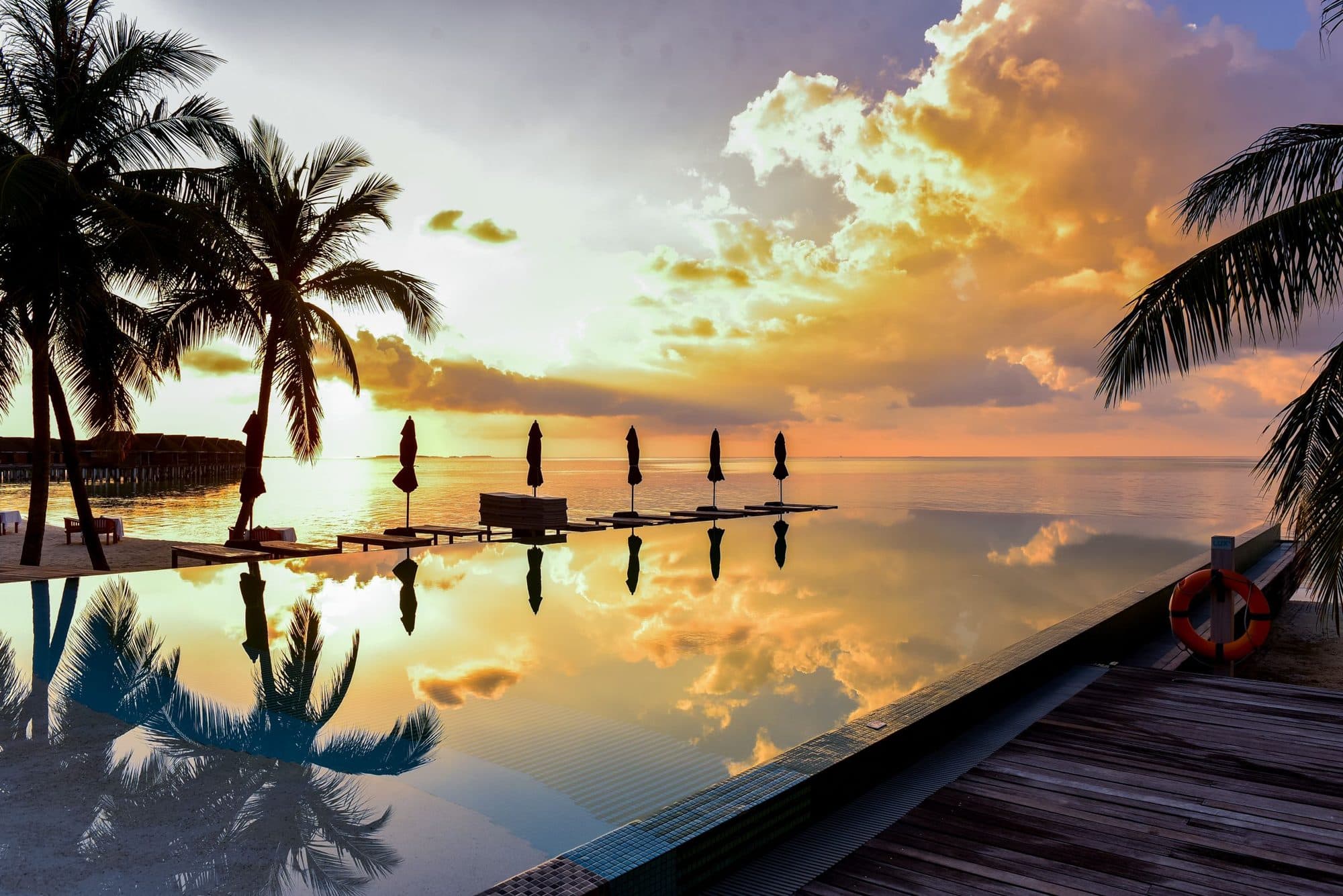
A private villa in Pererenan. A guest-style morning: waking up, opening the doors to the pool, floating breakfast, a slow pan to the garden. No voiceover, just a few words of text placed clear of the top and bottom of the frame.
A restaurant with a terrace. The pass, the pour, the first bite, a friend leaning in to say "try this". Short, appetite-first, shot at the table rather than from a tripod.
If you want a deeper set of ideas for the video side, the Reels shot list for hotels breaks these down scene by scene.
What should hotel UGC include?
A useful commissioned set usually covers four things.
- A walkthrough so guests can orient themselves. See our property walkthroughs service for how we approach this.
- Moments, not rooms. People doing things: swimming, eating, arriving, leaving.
- A talking-to-camera piece, one person saying honestly what they liked. Keep it unscripted enough to sound like a person.
- Raw clips and crops. Vertical for stories and Reels, square for feeds and ads, with unedited footage if your licence includes it.
We cover the full approach on the UGC content page, including what a typical delivery looks like.
How do you use UGC once you have it?
Content that sits on a hard drive does nothing. Plan its life before the shoot.
- Organic social. Reels, stories and carousels, with a clear caption and a booking link in bio.
- Your website. Replace stock-feeling imagery near the booking button with real moments.
- Booking platforms. Many allow video and photo galleries. Check the specs and use the most guest-like frames.
- Paid ads. UGC-style creative is a natural fit for Meta ads, because it looks native in the feed. See ad creative for how we prepare files for that.
- Email and WhatsApp. A short clip in a pre-arrival message sets the tone better than a PDF.
Before any of that, make sure the licence covers each channel. Our guide to usage rights for hotel content explains what to ask for.
How do you commission UGC without it looking staged?
The tension in commissioned UGC is that you are planning something that should feel unplanned. A few habits help.
- Brief the feeling, not the frame. "Make us feel like a slow Sunday" gives a creator more room than "pan left across the pool at sunset".
- Let a real person be in it. A hand, a back, a laugh. Empty rooms are what every competitor already has.
- Do not over-script. Agree a short list of must-have moments and leave time for the ones nobody expected.
- Protect the light. Schedule around golden hour and early morning, when most properties look their best.
- Say yes to imperfection. A wobble in a handheld walk-through is usually more believable than a locked-off shot.
If you are writing the brief yourself, our guide on how to brief a content creator has a template you can copy.
Is UGC right for every property?
Honestly, not always. Be cautious if:
- Your rooms are not yet ready to be seen. UGC shows reality, and reality needs to be good.
- You cannot respond to the enquiries it brings in. Content that works can create a wave you cannot handle.
- You expect it to replace everything else. Architectural stills, floorplans and a clear website still matter.
For most independent hotels, villas and restaurants, though, it fills a gap that traditional photography leaves open.
How do you get started?
Start small and specific.
- Pick one goal: more direct enquiries, a better booking page, or ad creative that is not worn out.
- Choose three or four moments that represent a stay at your property.
- Agree the licence and the deliverables in writing.
- Shoot on a day when the property is calm and the light is good.
- Use the content for a month, see which pieces earn attention, and plan the next batch from that.
Properties in Bali and nearby can work with us directly, and we are happy to talk through scope even if you are not ready to commission. Restaurants have a dedicated page too.
Do you have to disclose commissioned UGC?
Yes, in most markets, and it is worth getting right before the first post goes live. Commissioned UGC is advertising, even when it is made to look like a guest's own video, and regulators treat it that way.
The US Federal Trade Commission says anyone with a financial or other connection to a brand, including free or discounted products and other perks, must disclose it, and that the disclosure must sit prominently with the content rather than only in a profile, a hashtag pile or behind a "more" link (FTC disclosures guide). In the UK, the Advertising Standards Authority asks for a prominent "ad" label upfront and says words such as "gifted" or "thanks to" are not enough on their own (ASA guidance on recognising ads). Australia's consumer regulator is blunt about the other half of the problem: it gives the example of a hotel chain paying an influencer to say she loved a resort she had never visited, and calls that likely to be misleading (ACCC on social media promotions).
On Instagram, the practical tool is the paid partnership label. Instagram's help pages say branded content includes anything where a creator has received compensation, money or goods, and that the label applies to posts, Stories, Live and Reels (Instagram branded content help).
What that means for a property:
- Ask the creator to use the label every time, and agree it in the brief.
- Do not ask anyone to write a review of a stay they have not had.
- Keep a record of what was agreed, in case a platform or regulator ever asks. This is general information, not legal advice, and rules differ by country.
How does commissioned UGC perform in paid ads?
The honest answer is that it depends on your offer and your audience, and we will not quote you a number we cannot source. What we can point to is Instagram's own position: it reports that adding branded content ads to a campaign was associated with a 19% lower cost per acquisition and a 53% higher click-through rate compared with standard business ads (Instagram for Creators). That is the platform's claim about its own product, not a promise for your hotel, but it explains why guest-style creative is so widely used in paid social.
The practical lesson is to make the content ad-ready from the start: a strong opening moment, space for captions, and a licence that covers paid use. Our guide to UGC in Meta ads for hotels goes through the creative side, and how to vet influencers for hotels helps if you decide to work with someone who posts to their own audience instead.
A worked example: one commissioned set for a small hotel
Take an eight-room boutique hotel near the beach in Canggu, with a good pool, a decent breakfast and tired website photos. The owner wants more direct enquiries before high season. A sensible commissioned UGC set might look like this:
- One arrival Reel, gate to bed, shot in a single continuous walk.
- One breakfast Reel, with natural sound and a hand reaching for the fruit.
- One pool Reel, early morning, with a person in the frame.
- One short talking-to-camera clip, answering the question guests ask most: "is it quiet at night?"
- Twelve to twenty stills in guest-style framing, cropped square and vertical.
- Raw clips, so the hotel's own team can cut seasonal variations.
Where does each piece go? The arrival Reel opens the booking page and a Meta ads test. The breakfast Reel and stills fill the feed for a month. The talking clip sits on the contact page, where doubt is highest. The raw clips become Stories and WhatsApp replies. One day's shooting, five or six jobs done.
How can you tell whether UGC is working?
You do not need a dashboard; you need three habits.
- Tag the source. Add tracking to the booking link on each channel so you can see which clip sent the enquiry.
- Ask every guest how they found you, at check-in or in the pre-arrival message. Write the answers down.
- Watch the questions. If guests stop asking "is it really this quiet?" or "how far is the beach?", the content is answering them.
Judge the set after a month of real use, not after a day. Keep the pieces that earned attention, and brief the next batch around them.
The short version
- UGC for hotels is guest-style content, either posted by real guests or commissioned from a creator.
- It differs from influencer marketing because you are buying the content, not an audience.
- It works because it answers "what will it be like?" in a format people trust on a phone.
- Commissioned UGC is advertising: label it clearly and agree the rights in writing.
- Plan where each piece will live before the shoot, then judge it after a month of use.
If you would like a shoot that feels like a guest made it and a licence that lets you use it properly, tell us about your property on our contact page and we will take it from there.