Strategy
Spa Marketing Ideas: Content That Sells a Treatment
Spa marketing ideas that work: filming treatments as sensory content, handling guest and therapist consent, rituals, retail and wellness retreat content.
By Tamara9 min read
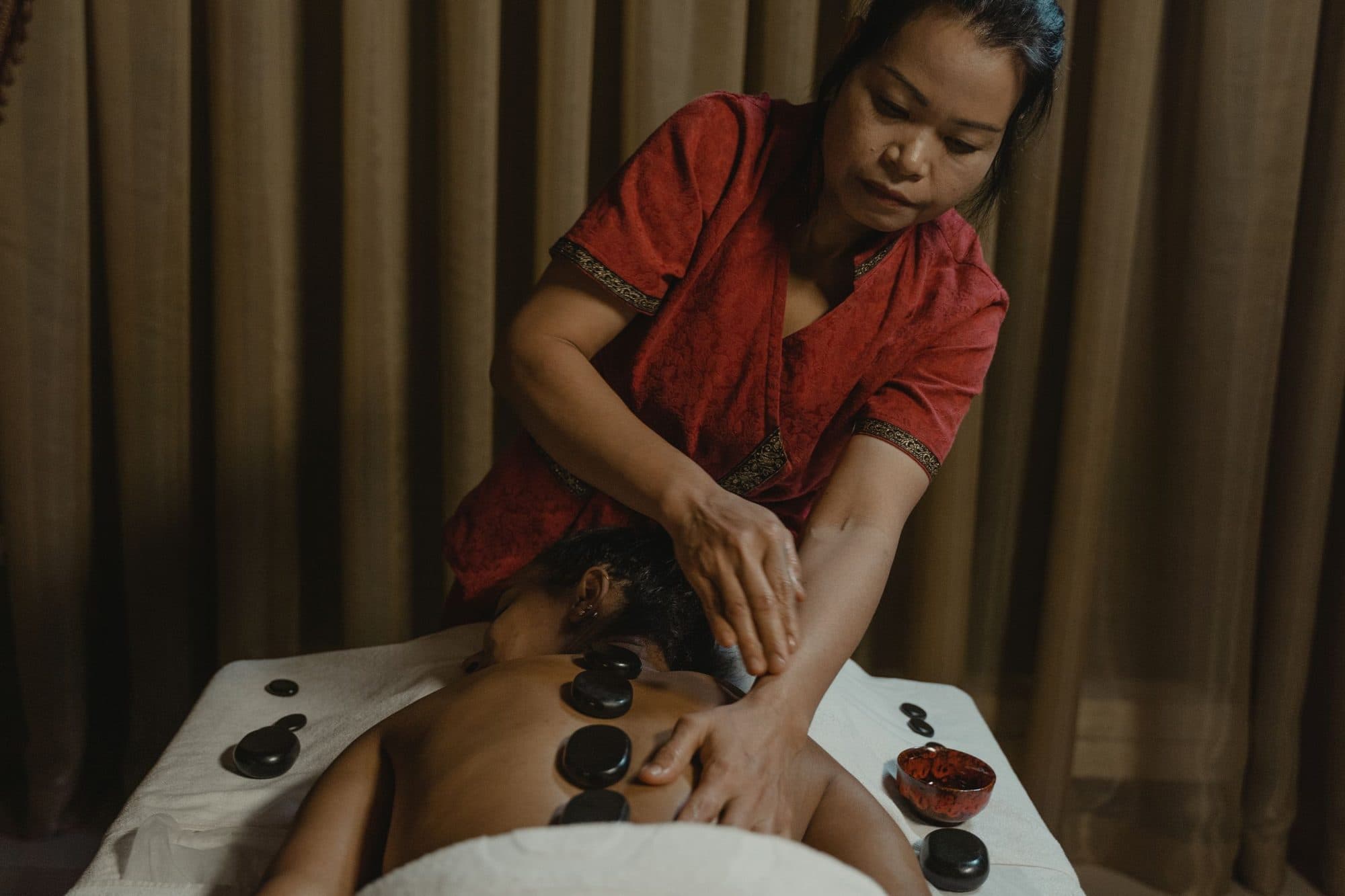
The best spa marketing ideas sell the feeling of a treatment before a guest ever books it: the warmth of a stone, the sound of water, the pause after the door closes. You do that with sensory content that respects privacy, then make it easy to book.
I'm Tamara. I film spas, yoga studios and retreats in Bali, and the lesson is always the same. A spa is hard to photograph because the best part, being looked after, happens with the eyes closed. So we make content about the senses and the rituals around the treatment, and we are very careful about who is on camera.
Why is spa content different from hotel or restaurant content?
Three reasons.
- The guest is usually undressed or horizontal. That limits what you can ethically film and means you plan shots around hands, materials and rooms.
- The product is invisible. You cannot photograph relaxation, only the things that cause it.
- Trust is the purchase. People want to know the room is clean, the therapist is skilled and their privacy will be respected before they give you their body for an hour.
Good spa content answers those three worries without saying them aloud.
The category is large, which is worth knowing when you decide how much to invest. The Global Wellness Institute reports that the spa industry grew from 71,800 establishments earning $47 billion in 2007 to 201,861 establishments earning $157 billion in 2024. Its wider estimate is that the global wellness economy reached $6.8 trillion in 2024, spanning eleven sectors including spas and wellness tourism. Competition is real, and so is the audience.
How do you film a treatment as sensory content?
Shoot what a guest would notice with their eyes closed, translated into pictures and sound.
Sound
Sound does more for a spa than almost any other business. Record clean audio of water in a basin, a singing bowl, oil being warmed, a towel being folded, rain on the roof, a kettle being poured into a herbal tea. Use it as the base of your short videos and only add music if it is quiet and does not fight the room.
Touch and texture
- A therapist's hands warming oil.
- Stones being lifted from heated water.
- Linen being smoothed.
- A scrub being mixed in a bowl.
- Steam rising from a footbath.
These shots show care and technique without showing a guest.
Light
Spa rooms are often dim. Open doors and shutters, or shoot at the time of day when the room is brightest. Avoid adding harsh lights that change how the room feels, and avoid heavy filters.
Smell, translated
You cannot film smell, but you can show its sources: lemongrass, frangipani, ginger, coconut, a lit candle, a bundle of herbs. A slow close-up works.
Arrival and departure
The first and last moments are the strongest marketing. The shoes at the door, the welcome drink, the cold towel, the first glance at the room, and the quiet sit on the terrace afterward. These moments are the "what does it feel like here" our brand brief is built around, and they usually need no guest's face at all.
How do you handle privacy and consent on camera?
This is the part most spas skip until something goes wrong.
Guests
- Ask before the day, not at the door. Anyone who might be in frame should know in advance and be able to say no without awkwardness.
- Use volunteers or team members for treatment shots. A colleague on the bed, covered by towels, is a better choice than a paying guest on a busy afternoon.
- Get written permission. A short release saying what is filmed, where it will be used and for how long.
- Never film a guest who has not agreed. That includes the background of a wide shot of the relaxation area.
- Respect the quiet. Schedule filming outside peak hours, or in a room that is closed to guests.
Therapists
Therapists are people with careers, and some do not want their faces online. Ask each person, record their answer, and let them change their mind. Say whether you will name them or tag them. Pay or credit the people in the content in the way you would for any other work.
Local rules
Different countries treat images and personal data differently, and rules about how long you may use someone's image vary. Check what applies where you operate, and put the key terms in a plain written release rather than relying on a handshake. If a creator is filming for you, the release is part of their job. Our guide to usage rights for hotel content covers what to agree in writing.
What spa rituals make good content?
A ritual has a beginning, a middle and an end, which makes it perfect for short video.
- The welcome ritual. Footwash, tea, a towel, a short introduction.
- The signature treatment. One named, repeatable treatment you want to be known for.
- Seasonal rituals. A wet season ginger scrub, a full moon sound bath, a flower bath offered for special occasions.
- Couples and group rituals. A side-by-side massage, a bridal party morning, a birthday booking.
- Take-home rituals. A three minute self-massage the guest can repeat at home.
Name each ritual so it can be searched, posted and booked. A spa that offers "a one hour massage" is competing on price. A spa that offers a named ritual is competing on experience.
How should a spa show off retail?
Retail works best when it appears as part of the treatment, not as a shelf at the end.
- Film the oil or balm being used, then show the same bottle in the bathroom or the retail corner.
- Show how the product is made, including the herbs, the local suppliers and the blending.
- Photograph products in the room's light, with hands, towels and textures around them, instead of on a white background.
- Make it easy to buy: a QR code or web link on the shelf and a gift voucher page on the website.
If you work with brand partners or creators to promote products and there is any form of payment or free product, label it clearly. The rules on this differ by country, so see our article on vetting influencers, which links to the official disclosure guidance.
How do you market a wellness retreat?
A retreat is a longer story, so give people a sense of the days.
- Show the rhythm. Wake, move, eat, rest, treatment, evening. One clip each.
- Show the people leading it. Teachers and therapists with their permission.
- Show the food. Retreat meals are a major part of what guests remember.
- Show the space. Practice room, shala, garden, pool, rooms.
- Show the arrival and the goodbye. The most emotional two minutes.
Tell the truth about what a day is like, including free time and the early starts. People who feel misled leave poor reviews. Be careful about health claims: describe what guests will experience rather than promising medical outcomes.
If you are a hotel with a spa, or a retreat host in Bali, our page on experiences and wellness shows how we work.
What do platforms say about photos and reviews?
Your Google profile is often the first place a guest checks.
Google's guidance says photos should be in focus and well lit with no significant alterations or excessive use of filters and represent reality. Videos can be up to 30 seconds, up to 75 MB and at 720p or higher. So upload a 30 second sensory clip of your signature ritual. Keep it to the room as it is.
On reviews, Google says you can ask customers to leave a review by sharing a link or QR code, that you should reply to reviews, and that offering free or discounted goods or services in exchange for reviews is prohibited. So do not send a voucher for a five-star review. Put the QR code on the tea tray at the end of the treatment instead.
What offers and packages can a spa build content around?
Content is easier to make, and easier to book from, when it points at something specific. A few packages that tend to work for hotel, day and resort spas:
- The arrival package. A short treatment for guests who have just landed, with a clear price and a clear time slot. Film the guest's feet on the stone floor and the tea tray, nothing else.
- The couples hour. Two rooms or one shared room, a drink, a flower bath. Photograph the setting and the details, and use a volunteer couple from your own team for any people shots.
- The locals' morning. A quieter weekday offer for residents. It builds repeat business, and repeat guests leave the reviews that help new ones decide.
- The gift voucher. Often forgotten, usually profitable, and easy to market. Give it its own page, its own photograph and a simple way to buy.
- The group booking. Birthday parties, bridal mornings, team days. Show the room set up for a group and a table of snacks and drinks.
Each package deserves one image, one clip and one sentence. If you cannot describe it in a sentence, it is probably two packages.
How do you measure whether spa content is working?
You do not need a dashboard. You need three simple habits.
- Ask every new guest how they found you. Write it down. Over a couple of months, patterns appear.
- Watch which posts get saved and shared. Those tell you what people want to come back to, more than likes do.
- Match bookings to campaigns. If you post a seasonal ritual on Thursday and bookings for it rise at the weekend, you have your answer.
Keep a list of the shots that led to enquiries and reshoot your best performers once or twice a year, so they look current.
What mistakes do spas make with content?
- Showing the guest instead of the experience. A close-up of a person's back may be intimate, but it is rarely necessary and it can make others uncomfortable.
- Using stock images of someone else's spa. Guests notice when the room in the ad is not the room they are shown. Show your own.
- Heavy filters. They flatten the room, and Google's guidance asks for photos that represent reality.
- Promising cures. Describe what a treatment feels like and how long it takes, not what it will fix.
- Forgetting the therapist. The person with the skilled hands is the reason guests return. Introduce them, with their agreement.
- No next step. Every post should make it obvious how to book, whether through a link, a phone number or a message.
A spa content shot list
Use this to plan one shoot day.
- Exterior and entrance in morning light.
- Reception, with a person welcoming.
- Shoes at the door, towels, tea tray.
- Three treatment rooms, empty, in good light.
- Hands warming oil, hot stones, scrub preparation.
- A volunteer in a treatment, hands and linen only.
- Steam, water, flowers, candles, close and slow.
- The terrace or relaxation area, with a person reading or sipping tea.
- Retail corner, with products in use.
- A 30 second clip of your signature ritual with natural sound.
- A therapist introducing themselves, if they agree.
- The goodbye: a smile, a wave, a bag with a gift.
Where does this content go?
One shoot should feed your website, Google profile, Instagram, email, gift voucher page and, later, advertising. We cover how short vertical video does the heavy lifting in vertical video, and why a mix of professional and organic-looking content tends to work, in what is hotel UGC.
The short version
- Sell the feeling: sound, texture, light and the quiet moments before and after the treatment.
- Film hands, materials and rooms, and use volunteers or team members, never an unwilling guest, for treatment shots.
- Get written, specific consent from guests, therapists and anyone identifiable, and check local rules.
- Name your rituals, tie retail to the treatment, and tell the truth about what a retreat day involves.
- Keep Google photos real, ask for reviews with a link or QR code, and never trade perks for stars.
If you would like a spa or retreat shoot planned around privacy from the start, talk to us about a Content Day or a Content Stay.