Rights & deals
How to Vet Influencers for Hotels: A Practical Checklist
How to vet influencers for hotels: spot fake followers, ask for audience insights, check past brand work, set contracts, and why commissioned UGC cuts the risk.
By Tamara9 min read
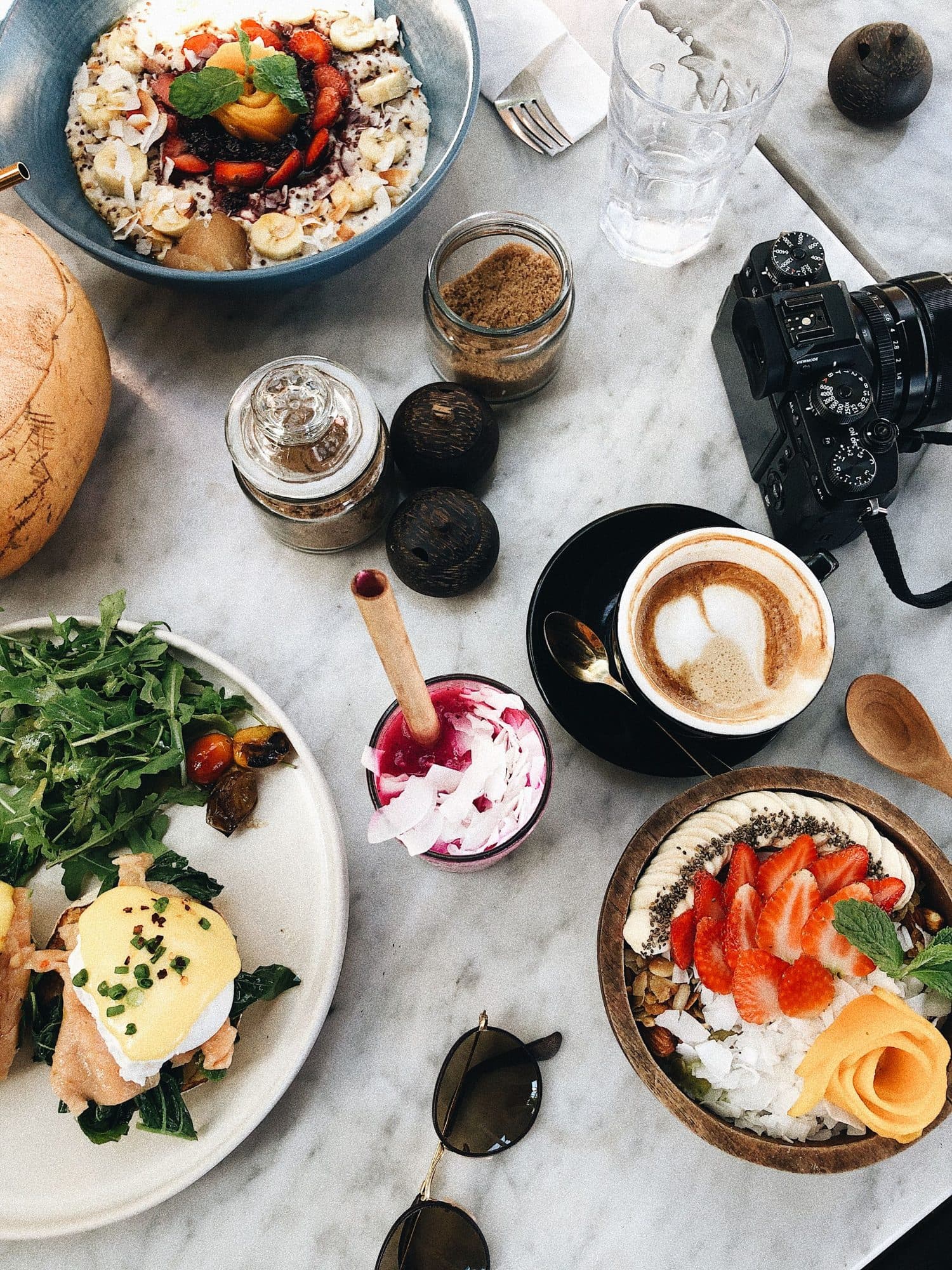
To vet influencers for hotels, check four things before you agree anything: whether the audience is real, whether it matches your guests, how the creator has behaved with brands before, and whether the deal is written down. Or avoid most of the checking by commissioning content from a creator, not paying for their following.
I'm Tamara. I make content for hotels and villas, and I have also been on the other side of enquiries from hoteliers burnt by a creator whose audience turned out not to exist. Here is the checklist I would use myself.
Why does vetting matter for a hotel?
A hotel has a small number of rooms and a limited marketing budget. One free stay for the wrong person costs you the room-nights, the staff time and the chance to put the same effort into someone better. If the content is unusable, or the audience is not real, you have nothing to show for it.
It also matters legally. The US Federal Trade Commission's guide says that if you endorse a product on social media, the relationship must be clear, and it states that influencers are responsible for making disclosures. The FTC's wider guidance, Endorsements, Influencers and Reviews, makes clear that businesses working with influencers have obligations too. We are not lawyers and this is not legal advice. The point is that vetting protects your brand as well as your budget.
How do you spot fake followers and engagement?
No single sign is conclusive. Look for a pattern.
Signs worth noting
- Likes and comments that do not match the following. A hundred thousand followers and a few dozen likes is odd.
- Generic comments. "Nice!", rows of emojis, comments in languages unconnected to the creator or the content.
- Sudden jumps. Follower growth that goes vertical on one day, with no viral post or press to explain it.
- A strange audience. A creator posting about Bali boutique stays whose followers are mostly in countries they have never visited or posted about.
- Followers with empty profiles. No photos, random names, nothing posted.
- Engagement that vanishes. Great numbers on old posts, nothing on new ones.
- Reach far below follower count. Genuine audiences usually see a meaningful slice of what is posted. Instagram insights show this.
The FTC's Consumer Reviews and Testimonials Rule covers fake social media influence directly. Its guidance explains that it prohibits buying or distributing fake indicators of social media influence, defined as those generated by bots, accounts not associated with a real individual, accounts created with a real person's information without consent, or hijacked accounts. It adds that a business is liable only if it knew or should have known the indicators were fake, and that hiring influencers whose followers chose to follow them voluntarily does not violate the rule. In plain terms, ignoring obvious warning signs is a risk for you, so do the checks.
Do not rely on third-party "fake follower" tools alone
Online checkers can be useful as a first look, but they guess. Treat their scores as a prompt for questions, not a verdict.
What should you ask for: audience insights and proof?
Ask for screenshots of the creator's own analytics, taken inside the app, for the last 30 days.
Instagram's help centre explains that a public account can use insights to see details about followers, and its page describes top age ranges and gender, top countries and cities, and the times followers are most active, along with follower trends over time. It also notes that you need at least 100 followers to view follower trends and demographics.
What to request
- Audience location. Top countries and cities. Does it match where your guests come from?
- Age and gender. Does it match your target?
- Reach on recent Reels and posts. Not likes. Reach and views.
- Followers versus non-followers. How much of the views come from outside the creator's audience?
- Saves and shares. Signs that people want to come back to the content.
- Screenshots dated and within the app. Not designed in a template.
If a creator says they cannot share any of this, ask why. A professional with a real audience is usually proud of the numbers.
How do you check past brand work?
Look at what they have done before, and then ask the brands.
- Scroll back a year. Does the content look consistent? Do hotel posts look like a place someone stayed, or like a press image?
- Read the captions. Are paid partnerships labelled?
- Look at the tone. Would you be happy for your property to appear in this voice?
- Contact two previous clients. Ask whether they delivered on time, what the content was like and whether anything went wrong.
- Check how they handled mistakes. A creator who admits an error and fixes it is a better partner than one with a perfect record that cannot be verified.
Do not rely on a media kit alone. A media kit is a sales document. The brand's own feedback tells you more.
What does disclosure require, and who is responsible?
If a hotel provides a free stay, a discount or payment, the resulting post is usually advertising and must be labelled. The FTC's guide explains that disclosures should be placed where they are hard to miss, with the endorsement itself rather than buried in profile pages or "more" links, and that videos should include the disclosure visually, not only in the description. It suggests plain terms such as "ad", "advertisement" or "sponsored", and advises against vague abbreviations such as "sp", "spon" or "collab".
In the UK, the ASA's influencers' guide to making clear that ads are ads is described as best-practice guidance that is also useful for brands and agencies. Its page notes that updates are pending following the introduction of new unfair commercial practices provisions in the Digital Markets, Competition and Consumers Act 2024, so check the current version. Rules in Australia, Indonesia and elsewhere differ again, so find out the rules for the audience you are targeting.
At the time of writing (October 2026), a practical approach for hotels is:
- Require a clear label in every contract.
- Agree the wording before the stay.
- Check the post on the day it goes live.
- Keep a record of the date and a screenshot.
Our article on content exchange collaborations explains why we think free-stay-for-posts deals deserve more care than most hotels give them.
What should a contract include?
A one-page agreement protects both sides. Cover at least:
- Deliverables. Number of Reels, photos, Stories, formats, deadlines.
- Usage rights. Where you can use the content, for how long, in paid ads or not. See usage rights for hotel content.
- Fees and what is included. Money, the stay, meals, extras.
- Disclosure. The label and wording the post must carry.
- Approval process. One round of notes, timelines for changes.
- Exclusivity. Whether the creator can work with a competing property nearby for a period.
- Cancellation and no-shows. What happens if either side changes plans.
- Conduct. Respect for staff and other guests, filming rules in shared spaces.
- Ownership of raw files. Whether you receive them.
- Reporting. Reach and view screenshots after posting.
Why does commissioning UGC avoid most of the risk?
Because you stop paying for reach and start paying for work.
With an influencer deal, you buy access to an audience and hope the audience is real, engaged and relevant. With commissioned UGC, you buy the content itself: videos and photos produced to your brief, with usage rights written in. You can judge them before you pay, run them in your own ads, put them on your website and use them for years.
| Risk | Influencer deal | Commissioned UGC |
|---|---|---|
| Fake or irrelevant audience | Real risk | Not relevant to the deal |
| Quality of the content | Variable, unknown until posted | Briefed and reviewed |
| Usage rights | Often limited to their feed | Written in for your channels |
| Disclosure | Needed on their post | Needed only if it appears on their account |
| Cost predictability | Often tied to follower count | Tied to deliverables |
Our guide to what UGC is for hotels goes through the idea, and UGC in Meta ads shows how to put the content to work. If you still want a creator to post to their audience, make labelling a contract term, and our briefing guide shows how to ask for what you need.
What red flags should make you walk away?
Some signals are enough on their own, however good the pitch.
- Demands before discussion. A creator who opens with a list of free nights and extras, before asking about your property, is selling a holiday, not content.
- No samples of finished work. Everyone has to start somewhere, but a creator with no portfolio and a large claimed following deserves extra questions.
- Vague deliverables. "A few posts and some Stories" cannot be held to anything. If they will not name numbers and dates, the contract will not help you later.
- Reluctance to label. If a creator resists putting a clear ad label on paid or gifted content, you are taking on risk they have chosen to avoid.
- Pressure. Limited-time offers, other hotels "already booked", and a refusal to let you speak to past clients.
- Mismatch with your guests. A creator whose audience is lovely but located on the other side of the world from your typical guest will not fill rooms, whatever the numbers.
None of these makes someone a bad person. They make the deal a poor fit, and it is cheaper to say no before the stay than after.
How should a small hotel or villa test a creator?
If you are unsure, start small and pay for a defined piece of work rather than a headline package. A short trial shoot, or a single Reel and a set of photos, gives you real evidence of how they work: whether they turn up on time, respect your staff and guests, deliver what they promised, and take feedback well. Use that trial as your vetting, then decide whether to commission more. It also gives you a sample of the finished content to measure against your brief, which is far better than trusting a media kit.
For boutique properties in Bali, we often suggest the same approach in reverse: before you book us, look at what we have made, speak to the properties we have worked with, and ask us the same questions in this article. A good creator will welcome the scrutiny.
A vetting checklist you can use today
- Does the engagement look proportionate to the following?
- Are the comments real and varied?
- Has the creator sent screenshots of audience insights from the app?
- Do the top locations and ages match your guests?
- Is reach on recent Reels reasonable for the size of the account?
- Have you spoken to at least two previous brand partners?
- Do their past paid posts carry clear labels?
- Is the content style one you would be proud to run on your own channels?
- Is there a written agreement with deliverables, rights, disclosure and approvals?
- Is there an option to commission the content for your own channels instead of buying reach?
The short version
- Fake audiences are common enough that you should check, and regulators say businesses cannot ignore obvious warning signs.
- Ask for in-app audience insights: top countries and cities, age, gender and reach on recent posts.
- Speak to past clients, read old captions and look for clear labelling on paid work.
- Put deliverables, usage rights and disclosure into a short contract before the stay.
- Commissioning content, instead of buying a following, removes most of the audience risk.
If you would rather pay for content you can see and own, ask us about a Content Stay or a Content Day through /contact, or read about UGC content.