Rights & deals
Hotel Content Exchange Collaboration: How to Run One
How to run a hotel content exchange collaboration properly: scope, deliverables, timelines, what to put in writing, red flags and when to pay instead.
By TamaraUpdated 10 min read
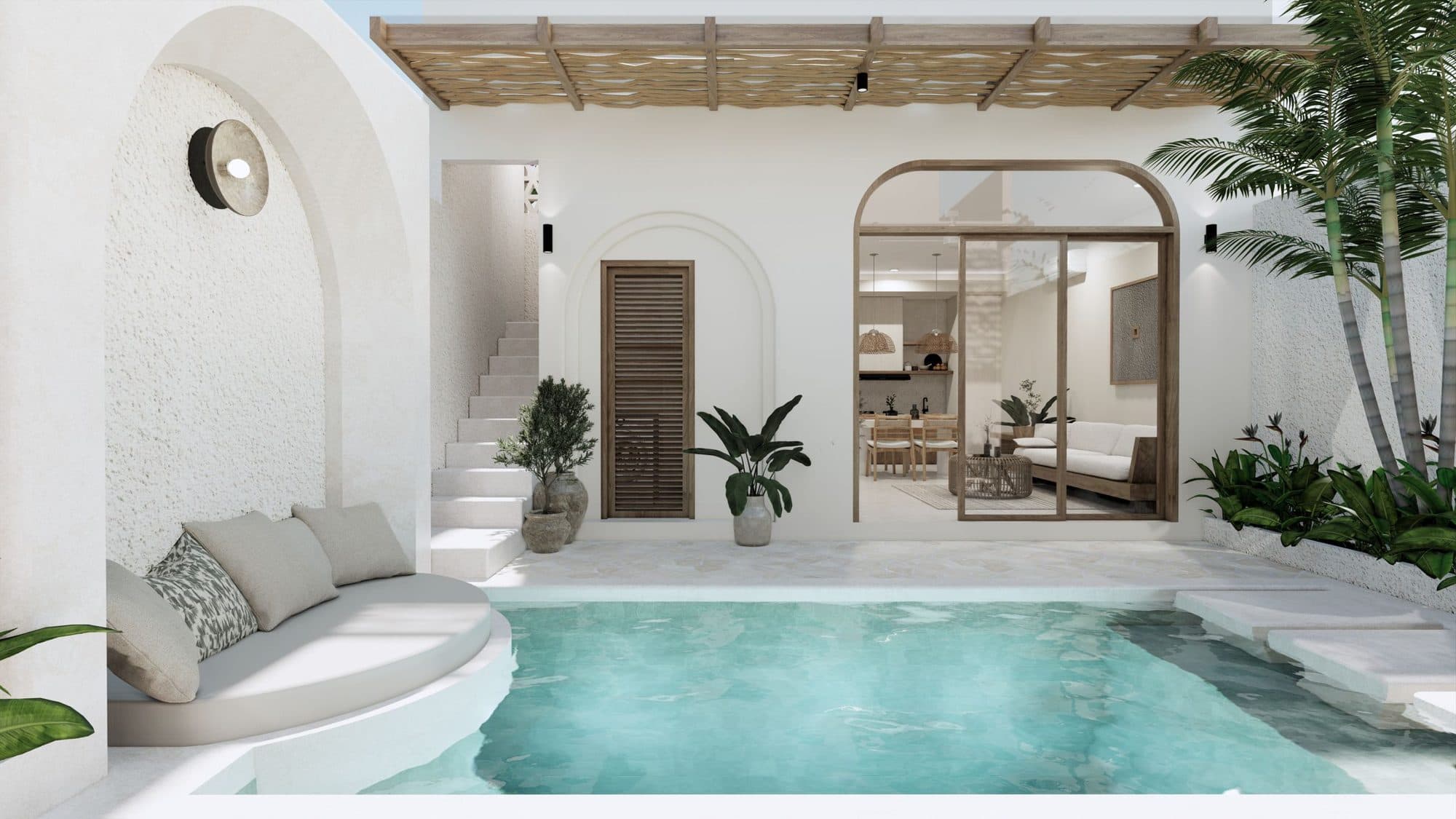
A hotel content exchange collaboration works when both sides know exactly what they are trading: a defined stay in return for a defined set of content, with dates, usage rights and expectations written down before anyone packs a bag. Done loosely, it ends in mismatched hopes. Done properly, it is one of the most efficient ways for an independent property to build a library.
What is a content exchange, exactly?
A content exchange, sometimes called a barter or stay-for-content deal, is an arrangement where a property provides accommodation, food or experiences, and a creator provides content in return. No money changes hands, or only a small amount does.
It is not a favour and it is not a gift. It is a trade, and like any trade it goes better when both sides treat it as one.
We run these ourselves, and the pattern is the same each time: the exchanges that go well are the ones with the most boring paperwork.
When is an exchange a good idea?
Exchanges suit certain situations well.
- Your property has spare capacity. Empty midweek rooms cost you something, but not as much as a booked room would.
- You want fresh content on a modest budget. A creator's time is valued against your room nights, not your cash flow.
- You are testing a creator or a style. A smaller exchange is a low-risk trial.
- You want authentic, guest-style material. A real stay produces the small moments that staged shoots miss. See our guide to what hotel UGC is.
They are less suitable if you need guaranteed results by a deadline, a large library, or heavy ad usage. In those cases paying for the production is the better route, and for most properties it is the cleaner one anyway: you are buying content, so you should expect to pay for it.
What should a good exchange include?
Think of it as a short list with five parts.
1. Scope
What exactly is being traded. Number of nights, room type, meals, activities, transport.
2. Deliverables
What the creator will deliver. Be specific: how many edited vertical videos, how many edited photos, whether raw clips are included, any talking-to-camera piece, and which crops and formats.
3. Timeline
When they arrive, when the shoot happens, when drafts are sent, when finals arrive. Dates, not "soon".
4. Usage rights
Where you can use the content, for how long, and whether paid ads are included. This is the part most often skipped and most often regretted. Our guide to usage rights for hotel content goes into detail.
5. Approvals and credit
Who approves what before it goes live, how the property should be tagged and described, and whether the creator posts on their own account.
What does a fair deliverables list look like?
There is no single right answer, but here is an example for a boutique villa in Pererenan, written as a rule of thumb from practice rather than a rate card.
- Three nights in a one-bedroom villa, breakfast included.
- One edited vertical video of the arrival and room reveal.
- One edited vertical video of the pool and breakfast.
- One short talking-to-camera video.
- A set of edited photographs of the villa and grounds.
- Raw vertical clips on request.
- Delivery within an agreed number of days after checkout.
- Licence for organic social, your website and booking pages, with paid ads agreed separately.
The point is not the numbers. It is that the numbers exist.
How do you structure the timeline?
A clear schedule prevents most arguments.
- Before arrival. Agree dates, shot list and any needs: access to rooms at golden hour, a chef for a short shoot, a staff member to appear on camera.
- During the stay. Check in on day one. Make sure the creator has what they need, and respect their working time.
- After checkout. Agree a date for a first cut, a feedback window and final delivery.
- After delivery. Confirm in writing that the deliverables were received and the licence applies.
If you want to run the shoot with a shot list, our Reels guide for hotels is a good starting point.
What should you put in writing?
It does not need to be a long contract. A one-page agreement, signed or confirmed by email, can cover the basics.
- Names of the property and the creator or studio.
- Dates of the stay and what is included.
- Deliverables and formats.
- Delivery dates and revision rounds.
- Usage rights: platforms, duration, territory, paid ads yes or no.
- Raw footage: included or not.
- Credit and tagging.
- What happens if dates change or someone cancels.
- Approval process.
This is general information, not legal advice. For anything high value or unusual, take advice locally.
What are the red flags?
Most requests are friendly and honest. Some are not. Watch for:
- Vague scope. "We will create lots of content" with no list of what that means.
- Large guest lists. A request for a stay for a group of friends with no clear reason.
- Pressure on timing. Insistence on peak dates, or "this offer expires today".
- No portfolio of work for properties like yours. Check that they have shot hospitality, not only lifestyle.
- Refusal to put anything in writing.
- Content that is mostly about the creator. Your property should be the subject, not a backdrop.
- Requests for payment on top of free stays, without a clear reason.
- Unclear use of your name and images. Ask how your property will be tagged and described.
None of these automatically means no. They mean ask more questions.
When should you pay instead?
Exchanges have limits. Consider a paid arrangement when:
- You need content on a specific date, for a launch or a peak season.
- You want a larger library than a stay can reasonably cover.
- You plan to use the content in paid ads and want clear, extended rights.
- Your rooms are fully booked and giving one away has a real cost.
- You need consistent quality across a month or a season. A content retainer can be a better fit.
- The creator's scope requires more than a stay can value.
A middle path is also common: a stay plus a production fee for a deeper set of deliverables. That is how we work at Postcard Studio. A Content Stay is a stay plus a fee, never a stay instead of one, and our work with us page explains the options.
How do you say no, or say "not like that"?
Politely and clearly. A response that works for most requests:
Thank you for reaching out. We only run content exchanges with a defined scope, so if you can send the nights you would like, the deliverables you would provide, and how we could use them, we will take a look.
A serious creator will reply with a proper proposal. An unserious one will go quiet, which is useful information.
How do you protect your guests and staff?
A creator on site is working in a space where other people are relaxing. A few simple rules keep everyone comfortable.
- Tell the creator which areas are off limits at which times.
- Ask guests before they appear on camera, and respect a no.
- Let staff know in advance that filming is happening and who is leading it.
- Agree a quiet window for the pool or restaurant if you want an empty frame.
- Keep drones and loud equipment within your property's rules and local regulations.
Handled well, the shoot becomes part of the guest experience rather than an interruption to it.
How do you review an exchange afterwards?
A short review makes the next one better.
- Did you get what was agreed, on time?
- Which pieces did you actually use?
- Did the shoot disrupt guests or staff?
- Did the creator communicate well?
- Would you do it again, and on what terms?
Keep a simple spreadsheet. Over time you will see which creators and formats deliver for your property.
What about Bali and similar markets?
In destinations with many creators, the volume of requests can be high. A Canggu or Pererenan hotel may receive several a week. That makes a clear, standard reply and a simple template especially useful. If you operate in the area, see how we approach content in Canggu.
Does a free stay still need to be disclosed?
Yes. This catches out both sides, because "it was only a free stay" feels like it should not count as advertising. Regulators disagree.
The US Federal Trade Commission lists free or discounted products and other perks alongside payment as connections that must be disclosed, and says the responsibility to make the disclosure is the endorser's own, not something to assume the brand or the platform will handle (FTC disclosures guide). The UK's Advertising Standards Authority asks for a prominent "ad" label upfront, and says "gifted" or "thanks to" is not enough by itself (ASA guidance). On Instagram, branded content explicitly includes content where the creator received free products or other goods, and the paid partnership label applies to Reels, posts, Stories and Live (Instagram branded content help).
For your agreement, that means two lines: the creator will label the post using the platform's partnership tool, and you will not ask them to say anything about the stay that is not true. The Australian regulator's own example of a hotel paying someone to praise a resort they never visited, which it calls likely to be misleading, is a good reminder that the experience has to be real (ACCC). This is general information, not legal advice.
How do you work out what an exchange really costs you?
A room is not free to give away. Before you say yes, do a quick, honest sum, using your own numbers:
- The room nights. Would that room realistically have sold? Midweek in the shoulder season, maybe not. A peak weekend, certainly.
- The extras. Breakfast, laundry, transfers, activities, spa treatments, extra staff time.
- Staff time. Someone has to host, open spaces at golden hour and move guests around the shot.
Then ask what you would otherwise pay for the same deliverables, and what you will genuinely use. If the stay costs you more than the content is worth to you, the answer is a smaller stay, a shorter list of deliverables, or a paid job instead.
A worked example: comparing two requests
Suppose a boutique hotel in Canggu receives two messages in the same week.
Request A: "Hi! I would love to collaborate. I will post about you. Can my partner and I stay for five nights?" No deliverables, no dates, no licence.
Request B: "We would like to stay three midweek nights in March. In return we would deliver two edited vertical videos, a set of twelve edited photos, raw clips, and a licence for your social, website and booking pages for twelve months. Here is a draft schedule and a two-page agreement."
Request B is not automatically better, but it is something you can evaluate. You can see what you receive, when, and with what rights. Request A is an invitation to a free holiday. A good reply to A asks the questions in the "how to say no" template above, and a good reply to B checks the creator's hospitality portfolio, then negotiates anything unclear. Our guide to how to vet influencers for hotels has a checklist for that step.
A sample one-page agreement you can adapt
Copy this wording into an email and edit it. It is a starting point, not a legal document.
Stay: [3] nights, [room type], [dates], including [breakfast / none]. Excludes [meals, spa, transfers] unless agreed in writing. Deliverables: [number] edited vertical videos, [number] edited photographs, raw clips [included / not included], delivered by [date] via [link]. Revisions: [one] round of feedback within [five] working days of the first cut. Licence: [Property] may use the content on its own social accounts, website, booking platforms and email for [duration] in [territory]. Paid advertising is [included / not included / agreed separately]. Disclosure: the creator will use the platform's paid partnership label or an equivalent clear disclosure on any post of the content. Credit: tag [@handle] on social posts. No credit required in ads unless agreed. Privacy: no filming of guests or staff without consent; off-limits areas are [list]. Changes: either side may move dates with [notice]; cancellations within [notice] mean [outcome].
Both sides reply "agreed" by email, and you have a record.
The short version
- A content exchange is a trade: a defined stay for a defined set of content.
- A free stay still needs disclosure: the creator labels the post and nobody says anything untrue.
- Count the real cost of the room, the extras and your team's time before you agree.
- Write down scope, deliverables, dates, usage rights, credit and approvals, and treat vague scope and pressure as red flags.
- Pay instead when you need a deadline, volume, ad rights or consistent quality.
If you would like a stay-based shoot with Postcard Studio, it is a paid Content Stay: accommodation as part of the deal, plus a production fee. Pitch your property and we will reply with a clear proposal.