Bali
Bali Low Season Marketing: Why Wet Season Content Wins
Bali low season marketing made practical: why the wet months suit a shoot, how to check BMKG forecasts, plan around rain and fill quieter months.
By TamaraUpdated 10 min read
Bali low season marketing works best when you stop treating the wet months as a gap and start treating them as a different product. From roughly November to March the island is green, the light is soft, rooms are easier to book for a shoot and guests who travel then are often looking for something quieter and more personal.
I'm Tamara, and I spend a lot of my time in Canggu. Here is how we plan content for green season, and how that content helps fill the months owners worry about.
Is the wet season a bad time to shoot in Bali?
It is a different time, and in many ways a better one for certain looks.
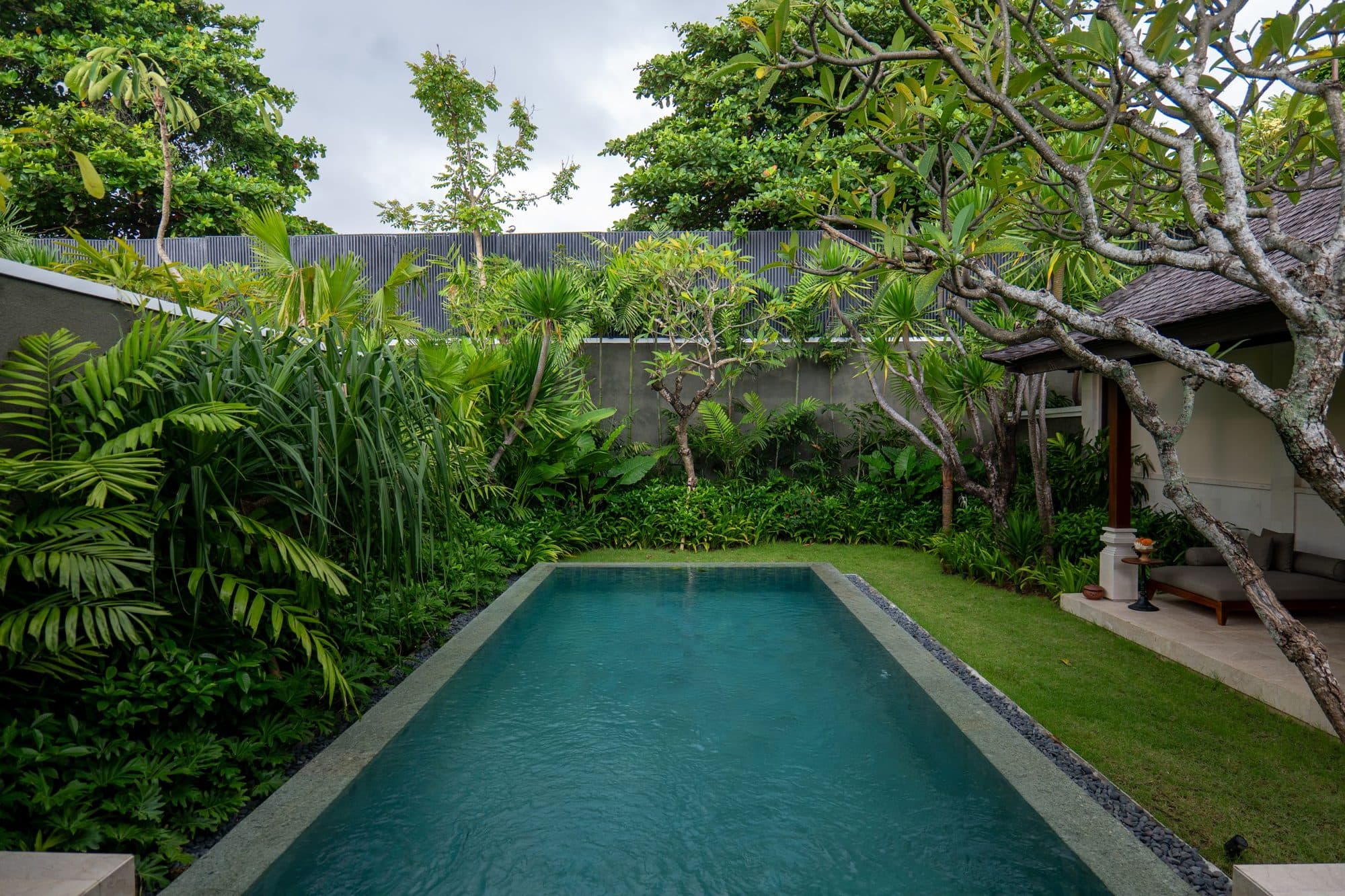
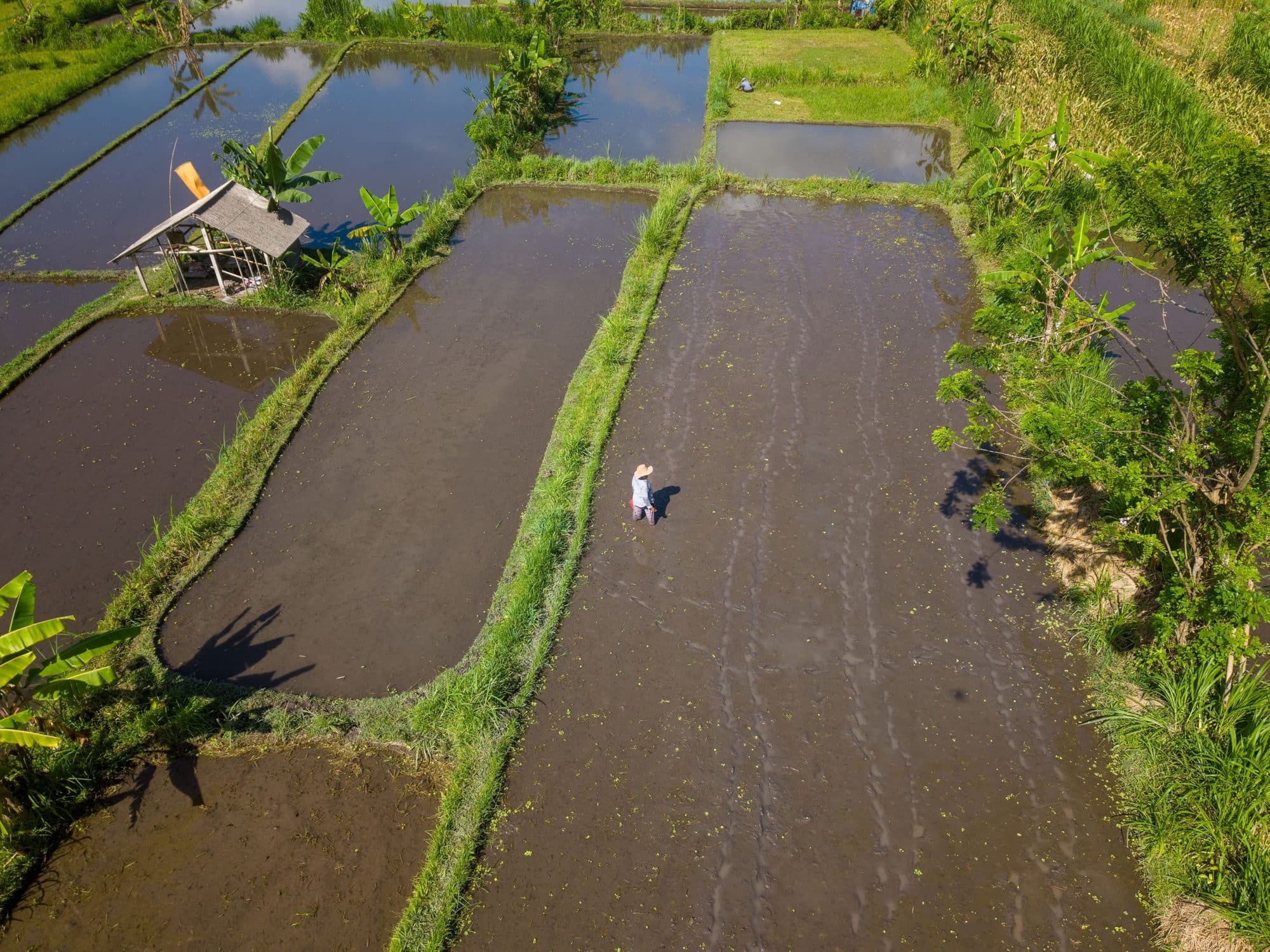
- The landscape is very green. Rice terraces, jungle edges and garden walls look fuller and richer.
- The light is often softer. Cloud acts as a big diffuser, which can be kind to skin, stone and water.
- Rain is usually short. Short heavy afternoon showers are common, and mornings can be bright.
- Properties are easier to access. There may be fewer guests in frame to manage and more flexibility with rooms and staff.
The challenge is unpredictability. You plan for it rather than fight it.
What does green season look good on?
Some visuals simply work better in the wet months:
- Villas surrounded by jungle. Private pools against deep green foliage look lush and sheltered.
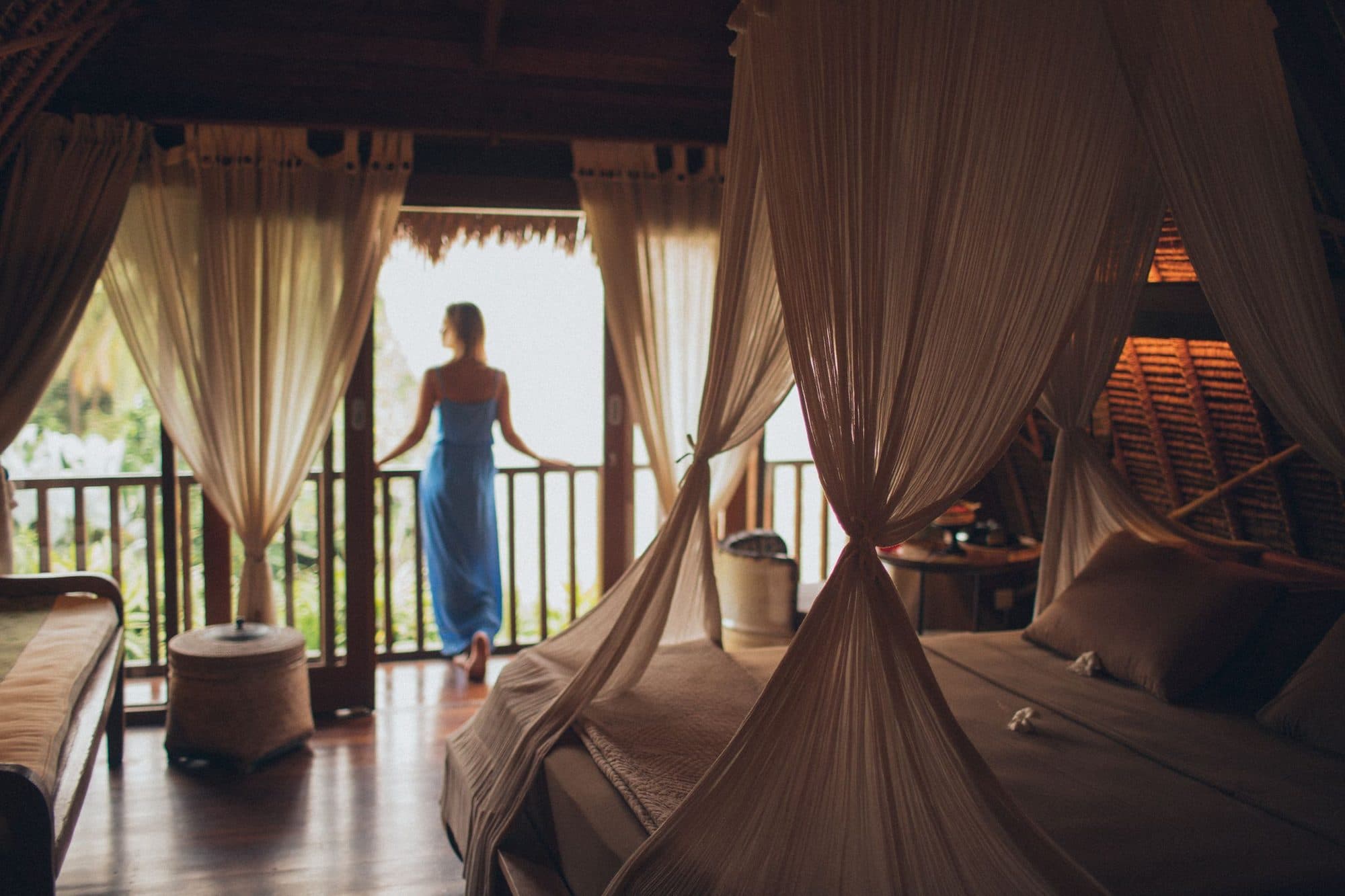
- Covered terraces and verandas. Rain on a roof, the sound, the steam from a hot drink.
- Rice field walks and cycling. If you offer experiences, the fields are at their most vivid.
- Spa and wellness. The mood matches: slow, warm, indoors, a little cocooned.
- Cafes and restaurants. Candlelight, warm interiors and comfort food suit the season.
Have a look at our Bali content creator page for how we work across the island, or the Canggu page if you are in that area.
How do you plan a shoot around the weather?
A few practical habits make the difference.
Keep the schedule loose
Plan two or three possible days rather than a single fixed one. If a morning is bright, shoot exteriors and pool shots first. If the afternoon turns grey, move to interiors and covered spaces.
Build a two-list shot plan
- Bright list: pool, garden, exterior, rice fields, breakfast outdoors.
- Grey list: rooms, bathrooms, kitchens, spa treatments, covered dining, rain close-ups.
Having both ready means the crew is never waiting for the sun.
Protect the gear and the guests
Waterproof covers, towels, a covered base and extra batteries. For guests in frame, warm drinks and towels keep everyone comfortable and relaxed on camera.
Prepare the property
Clear leaves, wipe loungers, check the pool is clear, and make sure lights work. In the wet months, small maintenance things show up on camera quickly.
What should the content actually say?
Honesty matters. If your guests arrive expecting a dry beach holiday and meet an afternoon downpour, they will say so in reviews.
- Name the season. Use phrases like "green season" and show the landscape.
- Show rain as part of the experience. A guest reading under cover with rain beyond is a feature, not a flaw.
- Show the dry hours too. Mornings, sunsets, the first clear evening after a storm.
- Offer the right kind of stay. Slow, quiet, close to nature, perhaps with a longer-stay offer.
None of this needs to be dramatic. A short reel that moves from rain on a roof to a bright pool and a warm breakfast tells guests what to expect and why it is lovely.
How can you fill the quieter months?
Content is one lever. It works best next to a simple plan.
1. Shoot early, publish steadily
Shoot at the start of the season, then release content across the months. That avoids scrambling in January when you most want a fresh post.
2. Aim at different guests
Wet season travellers often include longer-stay digital workers, couples looking for quiet, wellness retreats, and guests from places where it is peak holiday time. Create content for those groups. Our work with experiences and wellness page covers retreat and spa content.
3. Build offers around what you show
If the content features a floating breakfast, make a breakfast-included offer. If it features a villa and a garden, a longer-stay or midweek offer fits.
4. Use ads sparingly and smartly
A modest amount of paid support on your best content can reach people planning ahead. Our guide to UGC ads for hotels goes into hooks and testing.
5. Feed your direct channels
Update your website, Google profile and booking engine with the new images, so the content works beyond social. See direct bookings content beyond Instagram.
A sample green season content plan
| Content | Idea | Where it goes |
|---|---|---|
| Hero reel | Rain to bright pool to breakfast | Instagram, ads |
| Room tour | Slow, warm interior with rain sounds | Website room pages |
| Experience clip | Rice field walk or cooking class | Social, experiences page |
| Talking-to-camera | "What green season is really like here" | Ads, email |
| Detail photos | Wet leaves, steam, candlelight | Website, Google profile |
| Guest moment | Reading under cover, a toast | Stories, highlights |
Who tells you when the wet season actually starts?
Nobody can promise a start date, and that is why "November to March" is a rule of thumb rather than a calendar. Indonesia's weather agency, BMKG, publishes the official picture. Its Bali climatology station has a page headed with a prediction of the start of the 2026 to 2027 rainy season, and describes its seasonal bulletins as forecasts of the onset of the rainy or dry season. The detail sits in an infographic, so read the infographic itself rather than trusting a blog summary. The regional office in Denpasar also posts early-season forecasts for the Bali region and a forecast of the character of the early-season rain. For us, the takeaway is that onset and intensity are forecast each year and can differ from the last one.
For the shoot itself, the useful tool is BMKG's Bali forecast page, which gives a ten-day outlook by regency, with weather descriptions, temperature ranges and humidity. When we book a green-season shoot, we check it a week out and again the night before, then move the bright list or the grey list to whichever day suits.
How do you decide which day gets which list?
Treat the forecast as a sorting tool, not a verdict.
| Forecast description | Shoot this | Hold for later |
|---|---|---|
| Clear or lightly cloudy | Exteriors, pool, garden, rice fields | Interiors, spa, kitchens |
| Cloudy, no rain mentioned | Rooms, bathrooms, portraits, breakfast | Drone or wide landscape shots |
| Light rain | Covered terraces, rain on a roof, spa treatments | Anything needing dry gear or dry hair |
| Heavy rain | Interiors, kitchens, details, audio | Exteriors, anything with guests outdoors |
Check each day again that morning, because local showers can differ between neighbouring areas.
What should you pack and prepare for a rainy shoot?
Rain is more forgiving than people fear if the basics are ready.
- Rain covers for cameras and a spare microfibre cloth for every lens.
- Two or three big towels, kept dry in a sealed bag, for guests and gear.
- A pop-up umbrella for the talent that stays out of frame, and a clear one for shots that need it.
- Spare batteries, and a plan to let gear dry fully before it goes back in the case.
- A clear route for staff to wipe paths, loungers and glass between showers.
On the property side, keep a lit backup: warm lamps, candles and a working light in every room, so the grey list still looks inviting at four in the afternoon.
How do you film rain so it looks good?
Rain is hard to see on camera against a pale sky. Give it something to show against.
- Dark background. Foliage, a shaded wall or a dark doorway makes rain visible.
- Backlight. A lamp or window behind the rain picks out the drops.
- Sound first. Record a minute of rain on the roof with nothing else happening. It becomes the bed for your best reels.
- Water on surfaces. Ripples in the pool, drips off a leaf, steam on a hot tub.
A worked example: a Pererenan villa in January
Say a three-bedroom villa wants content for its green-season offer. It has a pool, a covered living area and a garden of banana leaves and frangipani.
- Day one, morning (bright list). Pool, garden and breakfast outdoors. The villa manager sets out the tray at nine, and we film the arrival of the first coffee.
- Day one, afternoon (grey list). The forecast showed showers, so we start in the covered living area, then the kitchen, then bedrooms with the rain audio running.
- Day two, after rain. Wet paths and steam, then a candlelit dinner at the long table.
From those two days the villa gets a hero reel, a thirty second tour for its website, a talking clip about what green season is really like, and a set of stills. The offer the content supports is a longer-stay deal with breakfast included. Read how that fits a wider plan in our guide to marketing a villa in Bali.
Does this work for spas, tours and restaurants?
Yes, with different emphasis.
- Spas. Rain is an asset: treatment rooms, warm towels, herbal steam. See our ideas for spa marketing content.
- Tours and experiences. Be honest about the plan B. If the rice field walk becomes a cooking class on a wet morning, say so. Our guide to marketing for tour operators goes into how to describe flexible itineraries.
- Restaurants and cafes. Covered terraces, candlelight and comfort food are at their best. Our restaurant video shot list has the sequences to use.
A green season checklist for owners
- Pick two shoot windows, not one, and keep a spare day free.
- Check BMKG's ten-day Bali outlook a week out and the night before.
- Prepare a bright list and a grey list, in writing, for the whole team.
- Decide the season's offer before filming, so the content shows it.
Why shoot in low season even if you are busy in high season?
Because it gives you content you can use all year, and creators and crews have more availability. A green-season library also helps when guests search for a villa surrounded by jungle, not just beachfront sunsets.
It also means you are not rushing in peak months, when rooms are full and staff are stretched.
Practical notes for owners
- Book two to six weeks ahead if you want a specific window.
- Tell your team when the shoot is, so rooms and public areas are ready.
- Agree a rain plan beforehand, including which rooms are available if the weather turns.
- Make sure usage rights cover your website, social and paid ads. Our usage rights guide explains what to ask for.
What about the shoulder weeks?
The edges of the season, roughly October and April, are useful for shoots because the weather is mixed and the island is calmer. You often get a green landscape with more bright hours than mid-season. If you can only pick one window, the weeks just inside the wet months tend to give the greenest look with a reasonable chance of sunshine, though nobody can promise the weather.
Example shoot day in green season
A typical day for a villa in Canggu or Pererenan might look like this:
- Early morning. Exterior and garden while the light is soft and the air is fresh. Pool, loungers, a breakfast tray, the first coffee.
- Late morning. Rooms and bathrooms, using the window light, which is often strong enough even under cloud.
- Afternoon. Buffer time. If rain arrives, shoot the covered terrace, the kitchen, the spa room and close details of water on leaves and stone.
- After the shower. The post-rain glow is often the best light of the day. Wet paths, steam over the pool, the garden dripping. Keep the camera ready.
- Evening. Candlelit dining, warm interiors, a guest settling in with a book.
By the end you have bright content, grey-day content and a rain sequence, all from a single stay and without waiting for perfect weather.
What if the weather ruins the plan?
Add a spare day if you can. Extra time costs less than a second trip, and it gives you a real chance of at least one clear window. If a second day is not possible, lean on the grey list, lean on interiors and use the rain as a feature. Some of the most memorable clips from wet season shoots are the ones nobody planned: the sudden downpour on the pool, the staff laughing as they run for cover with towels.
The short version
Wet season in Bali is green, soft and quiet, which suits certain kinds of stays beautifully. Plan a flexible shoot with a bright list and a grey list, show the season honestly, and use the content across social, ads, your site and your listings to support quieter months.
If you are planning your next green season, have a look at our upcoming dates and get in touch.