Social
Instagram Marketing for Restaurants: What to Post and Why
Instagram marketing for restaurants made practical: menus, plating, the room, your team, Reels, Stories, collabs and the Google Maps photos that feed them.
By Tamara9 min read
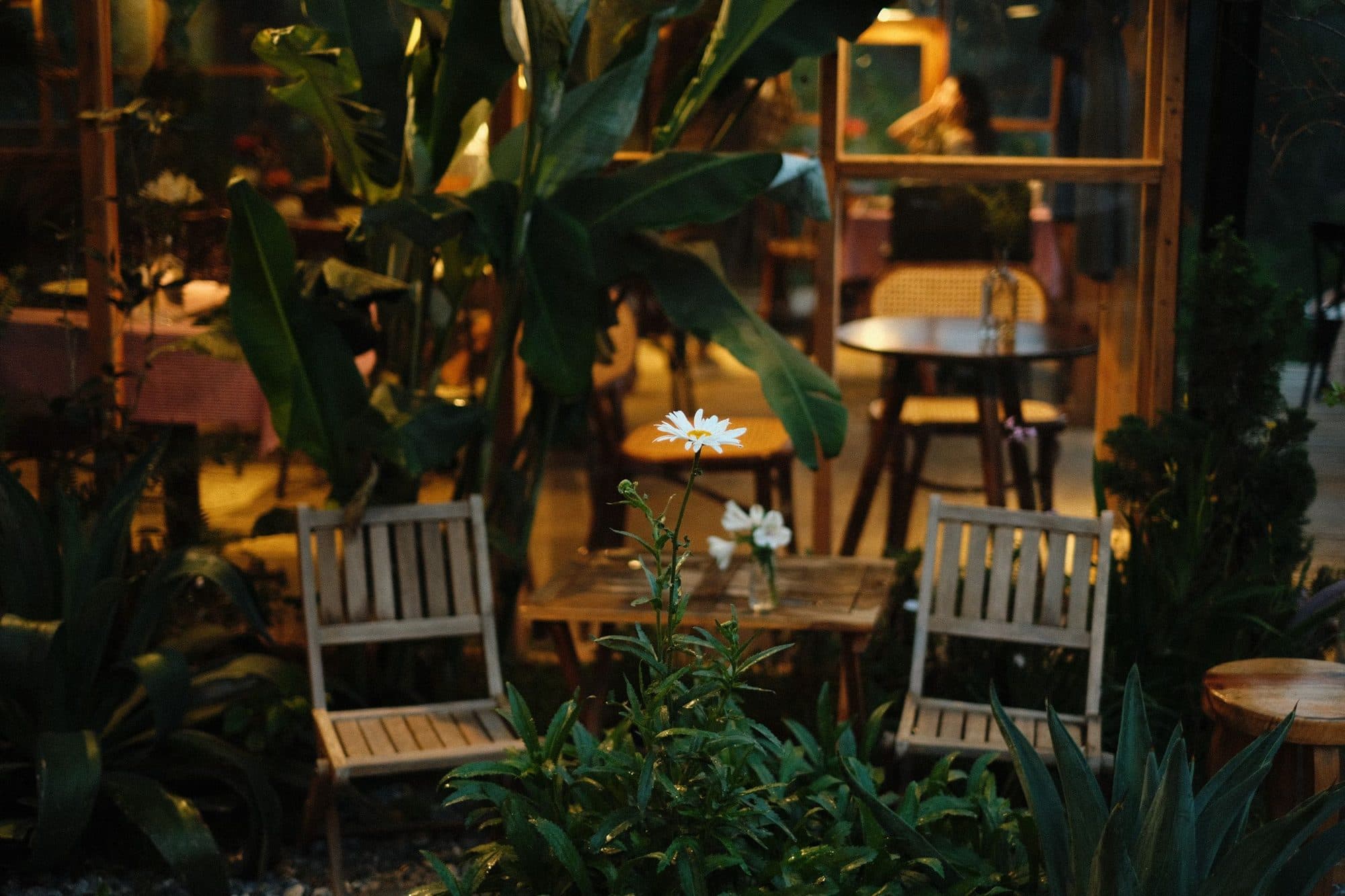
Instagram marketing for restaurants works when your feed answers the question a hungry stranger is really asking: what is it like to sit down here tonight? The menu, the plate, the room and the people are your four subjects, and Reels, Stories and collabs are just the ways of showing them.
I'm Tamara. I film restaurants, cafes and beach clubs in Bali, and the same pattern holds from a warung to a rooftop bar: the ones that fill tables are not posting more, they are posting the moments a regular would describe to a friend.
What should a restaurant post on Instagram?
Rotate through four subjects so your grid has variety but a clear point of view.
- The plate. One dish at its best angle, shot in daylight where possible, with steam, a pour or a spoon going in.
- The room. The light at a particular hour, the table you would want, a person walking through it.
- The people. Hands plating, a server laughing, a regular at the counter. People are what separates you from the restaurant down the road.
- The offer. A new menu, a Sunday session, a set lunch, a private dining room. Keep this to roughly one post in four so the feed does not feel like a flyer.
If you are stuck, our restaurant video shot list lists thirty-odd shots to film on a single visit.
How do you photograph and film menus and plating?
Most restaurant pictures fail for plain reasons: harsh overhead light, a cluttered table, a phone held at a flat angle. Fix those three and you have fixed most of it.
Light
Sit near a window or shoot outside before the sun is high. Turn off warm downlights if they clash with daylight. Avoid your phone's flash.
Angle
Overhead works for flat dishes such as pizzas, breakfast boards and shared platters. Shoot at a low angle, close to table height, for anything with height: burgers, cocktails, layered desserts. Move closer than feels natural.
Context
A plate by itself is a catalogue shot. Add a hand reaching, a glass in the corner, a napkin. Show scale and use.
Menus as content
Photograph your printed menu on the table in good light, and film a short clip of someone opening it. Keep a clean, readable version on your website too. Google lets restaurants add menu and ordering links to their Business Profile, and says third-party providers who state they have an authorised relationship with your business can be listed automatically, so check what is showing under your name and keep it accurate.
How do Reels work for restaurants?
Reels are the format with the most room to reach people who do not follow you yet, so they carry the discovery work. A few principles:
- Start on the best frame. The first second should be the pour, the cut, the flame or the face, not a logo.
- Keep natural sound. Ice, sizzle and chatter do half the selling. Add music only if it helps.
- One idea per Reel. Making a cocktail, setting the table, the first bite. Not all three.
- Use captions. Many people watch with sound off, so put the key words on screen.
- End with an action. Reserve, visit, save for later.
Instagram's own Reels tips describe adding captions and audio as ways to shape a Reel, so use the tools inside the app instead of overbuilding in a separate editor. For a longer set of ideas, see our guide to Instagram Reels shot lists, which works for restaurants as well as hotels.
Reel ideas that suit most restaurants
- A dish from raw ingredients to the table, in ten seconds.
- A bartender making the drink you want people to order.
- The kitchen before service: prep, calm, then the first ticket.
- The room from opening to dusk, one clip per hour.
- A regular's usual order, with their permission.
- A day at the market with your chef.
What are Stories for?
Stories are for the present tense: tonight's special, the table by the window that just opened up, the band setting up. They disappear, so they allow a looser, quicker style than the grid.
Use Stories to:
- Show tonight's availability or last tables.
- Answer a question people keep asking, such as dietary options or whether kids are welcome.
- Share a guest's tagged photo, with permission.
- Point to a link, such as booking or the menu.
Save the best ones to Highlights named plainly: Menu, Find us, Events, Reviews.
How do collabs and creators fit in?
Collaboration is how a restaurant borrows trust. Instagram's collab feature lets one account tag another as a collaborator, and if they accept, the post shows on both profiles and reaches both audiences. Instagram's own Reels guidance notes you can invite up to five collaborators on a Reel, per its tips page.
Good partners for a restaurant:
- A supplier or producer. The farm, the roaster, the fisherman. Authentic and rarely sales-y.
- A neighbouring business. A surf school, a boutique hotel, a gallery. Cross-promotion that makes sense.
- A local food creator. Choose for taste and for who actually watches them.
- A content creator hired for production. You are buying the footage and the usage rights, not just a tag.
If you pay a creator or give them a meal in return for a post, the post should say so. The paid partnership label and local advertising rules matter here, and we cover the basics in our article on vetting influencers and in content exchange collaborations.
Why do Google Maps photos belong in an Instagram plan?
Because many people check Maps after they see you on Instagram. Both are shop windows, and they should match.
Google's rules for profile photos are plain. Images should be in focus and well lit, with no significant alterations or excessive use of filters, and Google specifies JPG or PNG files between 10 KB and 5 MB, recommended at 720 by 720 pixels. Video should be up to 30 seconds, up to 75 MB, at 720p or higher.
Practical rules:
- Reuse your best frames from the Instagram shoot, edited lightly rather than heavily filtered.
- Upload the room, the exterior, the menu, the bar and a few dishes. Refresh them each season.
- Do not post duplicates.
- Add a short clip: a pour, the terrace at dusk.
Reviews
Google also notes that reviews feed local ranking. In its overview of local ranking, it says prominence includes review count and ratings. Its review guidance says you can ask customers to visit a link or scan a QR code, should reply to all reviews, and must not offer free or discounted goods in return for reviews. So put the QR on the bill folder, not on a "free dessert for five stars" sign.
How do you keep a restaurant feed consistent?
Consistency is a design problem rather than a willpower problem. Decide once, then repeat.
- One look. The same kind of light, the same editing, the same kinds of frames.
- One voice. Write captions the way your host talks at the door.
- One rhythm. Maybe Monday dish, Wednesday people, Friday room and offer, Sunday story.
- One filming day a month. Dishes, the bar, the room, the team, all in one block.
A table helps:
| Subject | Format | Frequency | Where else it lives |
|---|---|---|---|
| Hero dishes | Photo and Reel | Weekly | Website, Google, menus |
| The room | Photo carousel | Fortnightly | Google, booking page |
| People | Reel | Weekly | Website about page |
| Offers and events | Story and post | As needed | Email, posters |
| Reviews and guests | Story | Weekly | Google, Highlights |
What does a good week of restaurant posting look like?
Here is a realistic week for a small Bali cafe with one owner, one chef and a phone. Nothing in it needs a studio.
Monday. A dish Reel filmed on the quiet morning prep: the cut, the pour, the finished plate by the window. Fifteen seconds, natural sound, two lines of caption.
Tuesday. Stories only. The market run, the specials board being written, a coffee being pulled. Looser and more personal.
Wednesday. A people post. The chef's hands, or the server who has been there five years, with one sentence about what they love on the menu. People remember faces, and it signals that the place is run by humans.
Thursday. A room carousel: the terrace at four in the afternoon, the bar at dusk, the corner table, a close shot of the tableware. Link to booking in the caption and the bio.
Friday. The offer, whether that is a set menu, live music or a weekend brunch. One clear picture, one clear line, one clear way to reserve.
Saturday. Stories from service: the first table, the busy pass, a birthday cake arriving, with permission from the table.
Sunday. A quiet repost of a guest's tagged photo, or a thank you. Close the loop with the people who already came.
You will not hit every day, and you do not need to. What matters is that the mix keeps returning to the four subjects, and that you can see which type of post brings in the messages, saves and bookings. Look at your saves and shares more than likes, since those tell you what people want to come back to.
Handling guests on camera
Filming a busy room means other people are in it. Keep the camera on hands, backs and wide shots where faces are incidental. If a guest is clearly the subject, ask first and thank them. A small sign near the entrance saying you film content during service helps, but it is not a substitute for asking when someone is the focus. If a creator films for you, put this in the brief.
When something goes wrong
A bad review, a closed day, a kitchen mishap: answer plainly, in the same voice you use for good news. Instagram is not the place for arguments, and a calm reply travels further than a defensive one.
A restaurant Instagram checklist
- Is your bio clear on what you are, where, and when you are open?
- Does the bio link go to a current menu and a way to book?
- Are your best three dishes shot in daylight, at flattering angles?
- Is there a person in at least half of your recent posts?
- Do you post at least one Reel a week with natural sound and captions?
- Are your Highlights named plainly and kept current?
- Do your Instagram, Google and website photos match your real room and menu?
- Are you asking happy guests for reviews, without incentives?
- If you work with a creator, is the post labelled, and are the usage rights agreed in writing?
Should a restaurant hire someone to make the content?
If your food and room are better than your photos, yes. A single shoot day with someone who knows how to film service, light a room and make a dish look as good as it tastes can supply a restaurant with months of content for Instagram, Google, your website and ads.
That is what we do for cafes, beach clubs and restaurants: authentic, experience-led content that looks professional but feels like a good night out. Read about working with restaurants, how our vertical video works, and the monthly content plan if you want a steady rhythm instead of a one-off.
The short version
- Rotate four subjects: the plate, the room, the people and the offer, with people in at least half your frames.
- Light and angle fix most weak food photos, so shoot near windows and get close.
- Use Reels to reach new people, Stories for tonight, and collabs to borrow trust, and label anything paid.
- Keep your Google Maps photos, menu links and reviews as carefully as your Instagram, because they are the second place people look.
- Batch your filming into one day a month and post on a steady rhythm.
If you would like a content day built around your service, get in touch about a Content Day or a Content Retainer.